

If you followed Hmong volleyball during the PrimeTime years, especially in Fresno, there is a good chance you remember Khue Lee.
He was the setter. Not the tallest guy on the court or the player trying to overpower everyone at the net, but the guy responsible for figuring out where the ball needed to go.
PrimeTime is probably where a lot of people remember him from, but that’s only one part of Khue’s volleyball story.
He’s been playing Hmong volleyball for more than 20 years. He’s played with different teams, in different states and with different generations of players. At 40 years old, he’s still playing today in Minnesota.
Funny enough, volleyball wasn’t even his first sport.
Khue grew up on the west side of Fresno and was a baseball kid. He played Little League and probably would have stayed focused on baseball if his school district hadn’t moved baseball to the fall when he was in eighth grade. Volleyball was in the spring, so suddenly he could play both.
That’s how it started.
By the time he came out of high school, he was playing Hmong volleyball competitively in a Fresno scene that was loaded with talent.
Khue remembers teams like Legends, Raven, MVP, Zero Gravity, PrimeTime and Critical. All of them would eventually win J4 in Minnesota.
But if you wanted to see where a lot of Fresno players actually learned to compete, Khue remembers Romain Park.
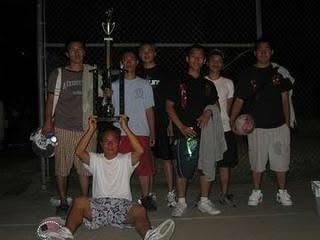
The park would be packed.
Players showed up every night and battled, sometimes just for 50-cent drinks from the older man who set up the net.
And you couldn’t just walk up expecting to get into a game.
“If you didn’t have a team, you might as well not show up at that park cause you are not going to get to play,” Khue said.
That’s the volleyball environment he came from.
Khue also remembers how important sports were for Fresno kids during that time. There wasn’t social media constantly pulling everyone’s attention somewhere else. If you played sports, chances were you were at the park playing almost every day.
There was another side to it too.
Gang influence was very real for young people growing up in Fresno, and Khue remembers sports giving a lot of kids somewhere else to go.
For him, that place became the volleyball court.
He Started Around Some of the Best
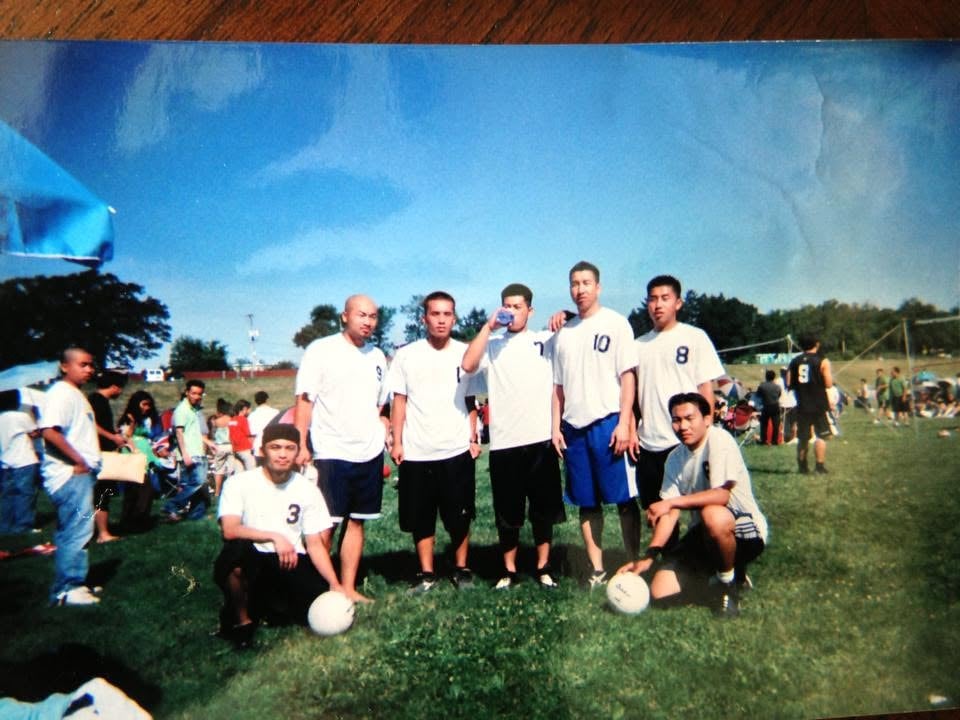
Khue played his first Hmong tournament as a freshman in high school when his coach, Bo Vue of MVP, brought him along to play in a local tournament.
He didn’t fully appreciate the lineup at the time.
Looking back, he does.
Phet from Raven was there. So were Phet’s brothers Lan and Othay, Bo, and Kao from KO.
“I was just a little pawn, next to all these legends,” Khue said.
That wasn’t a bad group for a freshman to learn from.
Bo and Phet would become especially important to Khue. Both coached him in high school, and Khue considers them two of the greatest players in Hmong volleyball history.
He remembers Bo for how much he could do on the court and how well he could read a match as it changed. Phet, he says, was the most athletic setter he has ever seen and the best blocker he’s ever watched.
Those were the players Khue studied while learning the game himself.
And yes, he was already setting.
Not necessarily because he wanted to.
“I was doing it at first because no one wanted to set,” Khue said. “It was not fun being the kid that puts the ball up for the high jumpers to smash.”
But the more volleyball he played, the more he understood what a setter could actually control.
Eventually, he loved it.
Khue’s Game Was More About Thinking
Khue laughs a little at the idea of being called one of the best setters of his generation.
He doesn’t describe himself as someone with perfect hands. He’ll actually tell you that clean setting has sometimes been one of his struggles.
What he trusted was his understanding of the game.
“I think what kind of makes me a little different is that I’m always thinking when I play, trying to not be predictable or finding ways to give my hitters some advantage,” he said.
That’s probably the easiest way to understand Khue as a setter.
He wanted to know his hitters.
What ball did they actually hit best?
Where were they most comfortable?
What was happening on the other side of the net?
What could he change before the defense figured it out?
Khue believes a setter has to understand that every hitter is different. A hitter might tell you he can hit anything, but the setter has to recognize which ball really gives that player his best chance.
More than 20 years of playing helps with that.
At this point, Khue says a lot of what he sees on the court comes down to instinct and reaction. He’s been around long enough that there isn’t much he hasn’t seen before.
Raven, Headshots, Kryptonite, PrimeTime and More
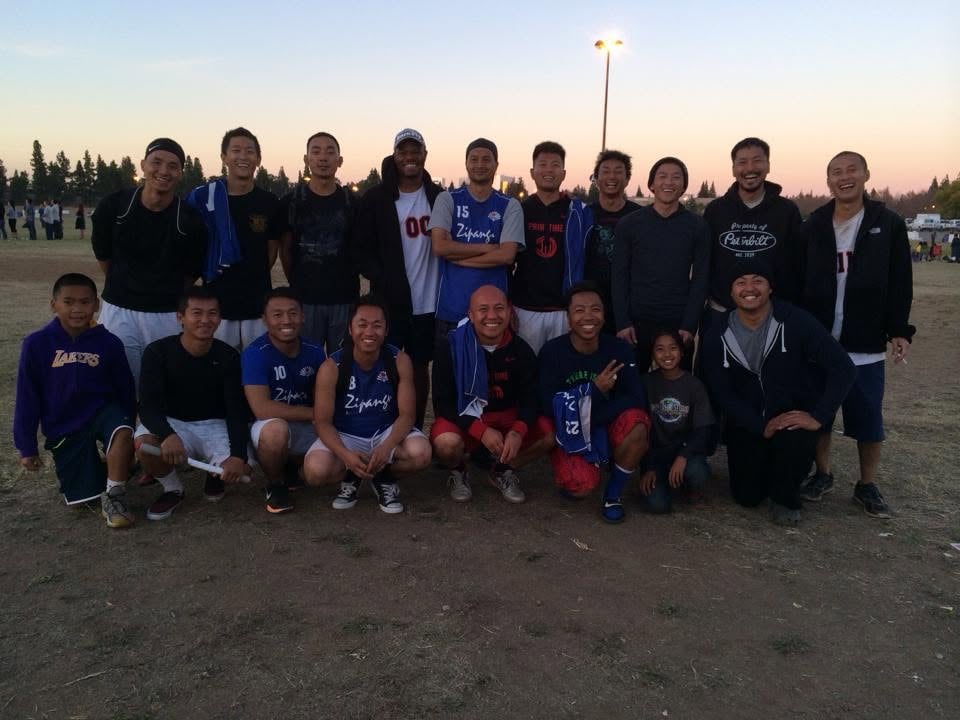
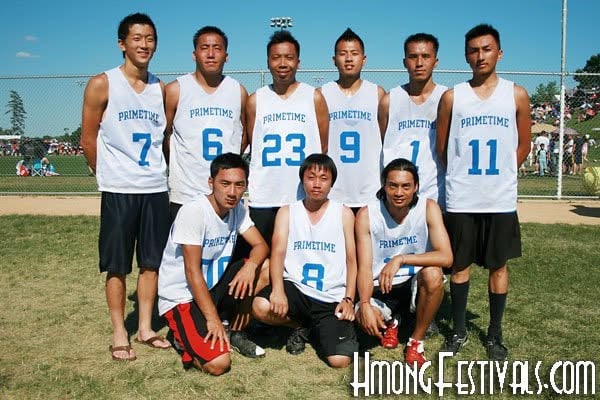
Khue’s career has taken him through a long list of teams.
Raven was one of the first. He used to play defense for Phet at tournaments. He also played with his cousin Shaun‘s team, Kryptonite.
His first team that really felt like his own was Headshots, where he played with his brother and cousins.
From there, Khue spent time with MVP, Team Fresno, PrimeTime, Titan and Team Buh.
Today, he plays with Twin Cities Rejects in Minnesota.
PrimeTime, of course, became a major part of his career.
The team had already been together for a couple of years before Khue joined. At the time, the people he had been playing with stopped playing and he found himself without a team.
Shaun, his cousin, picked him up.
“We were fortunate to start winning right away and things took off and I just stuck,” Khue said.
What he remembers most about PrimeTime, though, isn’t necessarily a particular championship.
It’s how close they became.
Khue watched Kong and Budha grow from teenagers into two of the team’s stars. He remembers Roger developing into an extremely versatile player, Andy’s competitiveness, Peter’s athleticism and Mango bringing veteran experience.
He also quickly points toward the defensive players who didn’t always get the same attention.
Thai. David. Kham. Peewee. Ge.
“We aren’t winning anything without them,” Khue said.
PrimeTime became more than a team.
“Friends became family,” he said. “Those are my lifelong brothers and we are closer now than ever.”
Then There Was J4
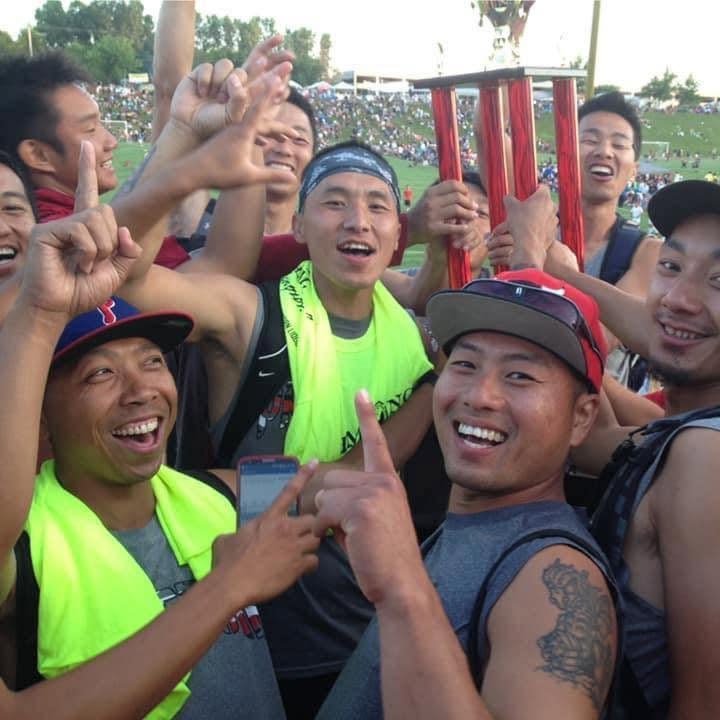
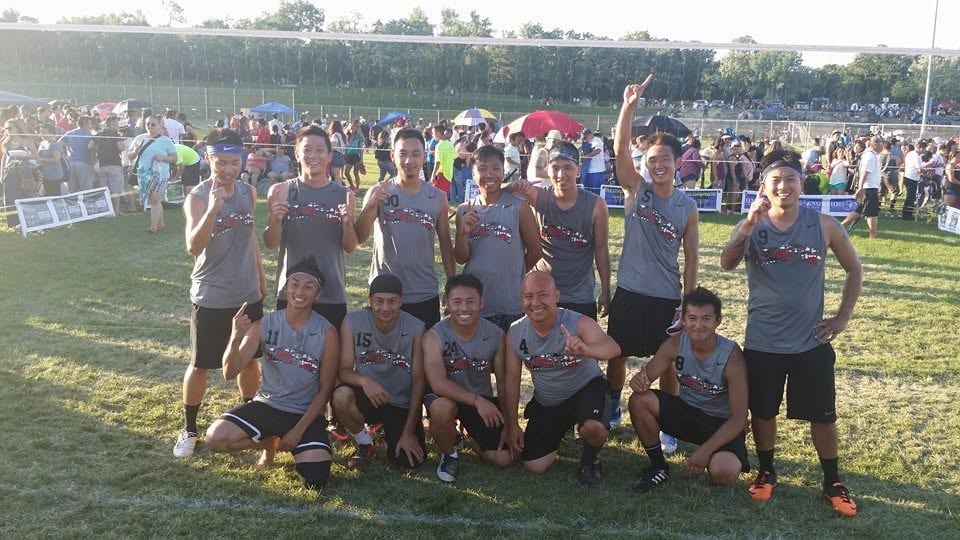
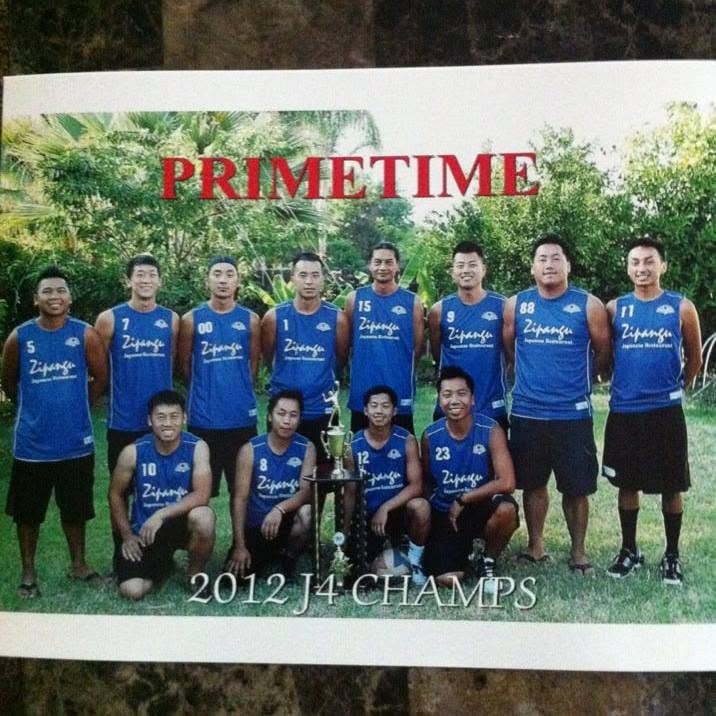
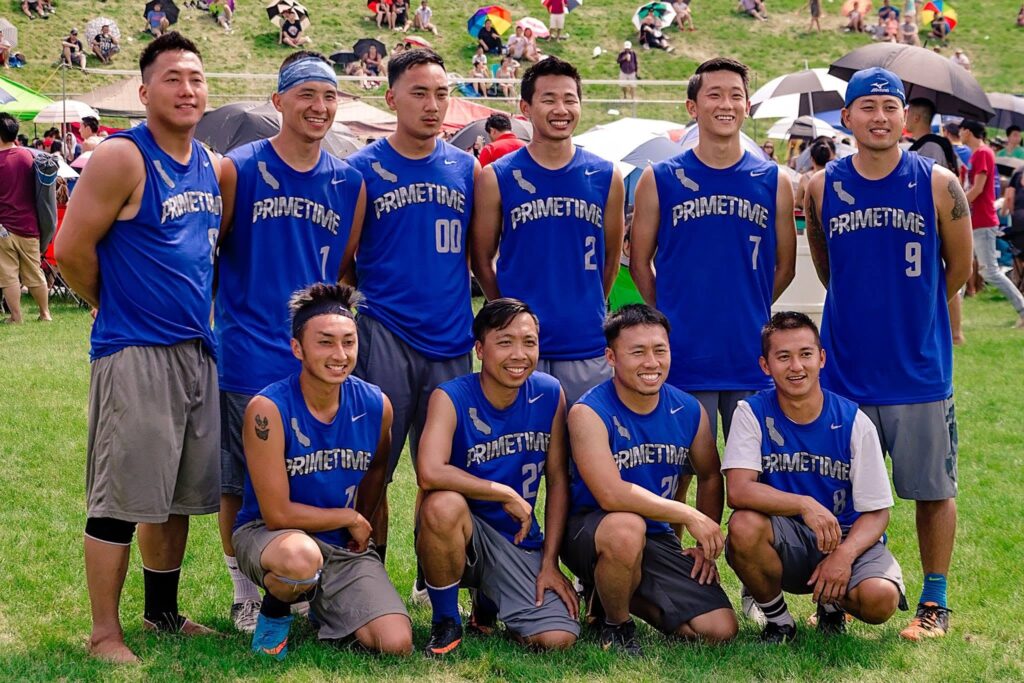
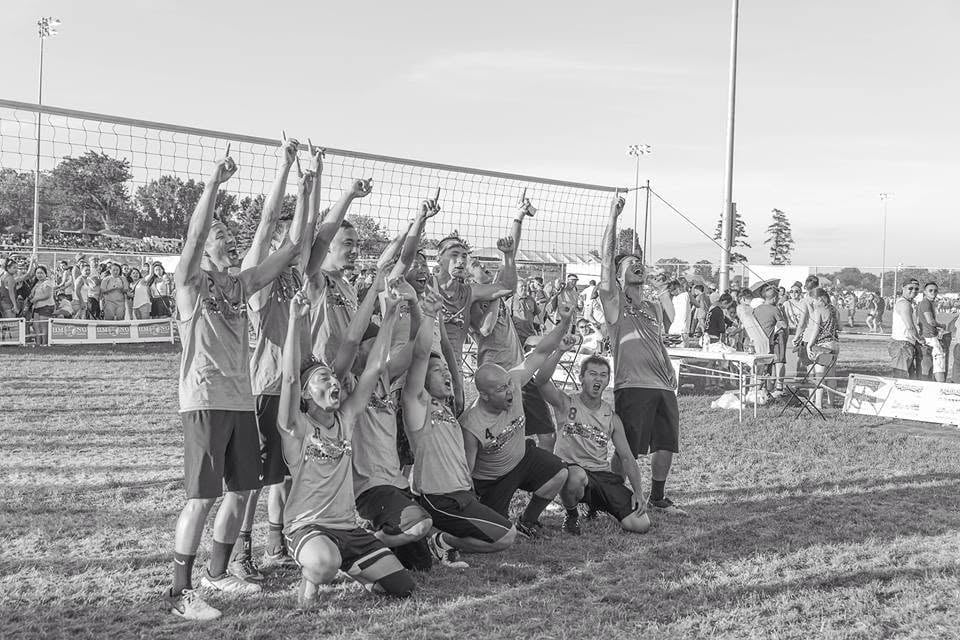
If there is one tournament that carries a different weight for Khue, it’s J4.
He has won tournaments in California, Minnesota and Wisconsin, but he says nothing compares to winning J4.
Bo had warned him about it when he was younger.
J4, Bo told him, would either make you or break you as a Hmong volleyball player.
Khue didn’t understand it until he went through it himself.
The best teams came ready, and if your team wasn’t ready to match that level, you were going home.
Midwest Express was one of the teams that taught PrimeTime that lesson.
Khue calls them the toughest team he faced. They were experienced, smart and solid everywhere. Then there was Corey.
Khue still laughs about trying to figure out what to do with him.
After PrimeTime lost to Midwest Express during its first trip to J4, the team went home knowing it needed to change.
“We really had to reevaluate how we played, our approach to the game and how the heck we were going to slay Da Hmong Beast Corey,” Khue said.
Khue remembers Corey as a player who somehow had another level when he needed it.
If PrimeTime wanted to beat him, they needed to find another level too.
Eventually, PrimeTime did win J4.
That’s also around the time Khue started hearing people refer to him as one of the better setters in Hmong volleyball.
He appreciated it, but being called the best was never really his motivation.
“I don’t care for being the best, but I am a sore loser,” Khue said.
That sounds a lot more like him.
Some Losses Stay With You
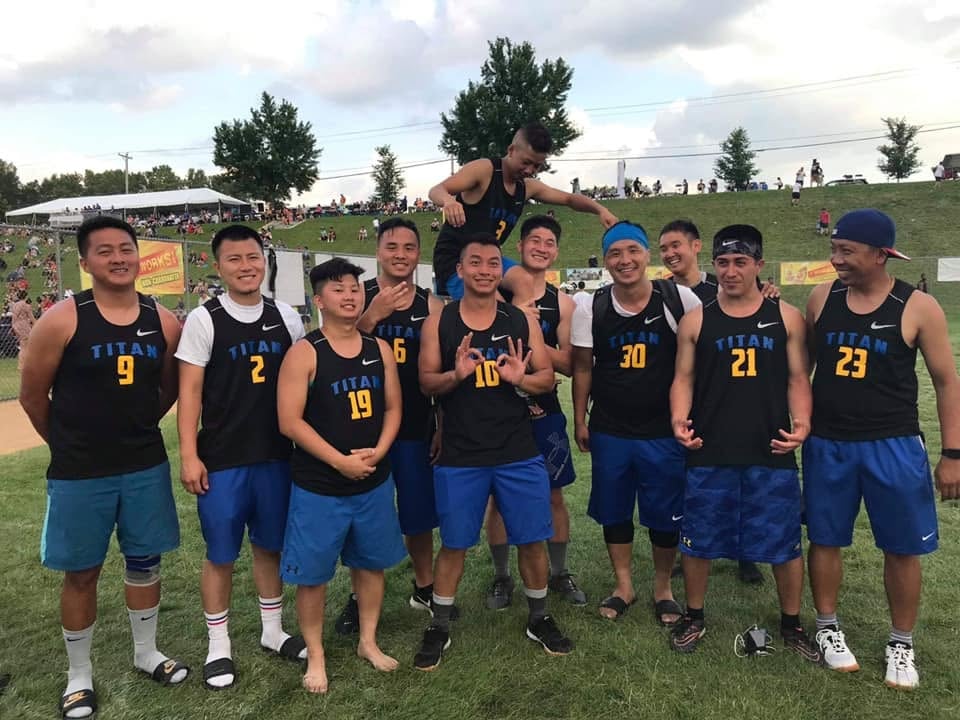
Khue has won plenty over the years, but ask him about the matches he still thinks about and he’ll bring up some losses.
His years playing with Titan are a good example.
Titan twice lost to Team Cali in the J4 semifinals in back-to-back years. In 2022, Khue and Titan reached the final but lost to Rush Hour.
Those still bother him.
“I wish I could have pulled through somehow and win one with them, for them,” he said.
Khue felt that Titan group was playing for something more than themselves, which made losing with them hurt differently.
For a guy who openly admits he hates losing, those are the matches that don’t disappear just because he has other championships sitting somewhere at home.
From Fresno to Minnesota
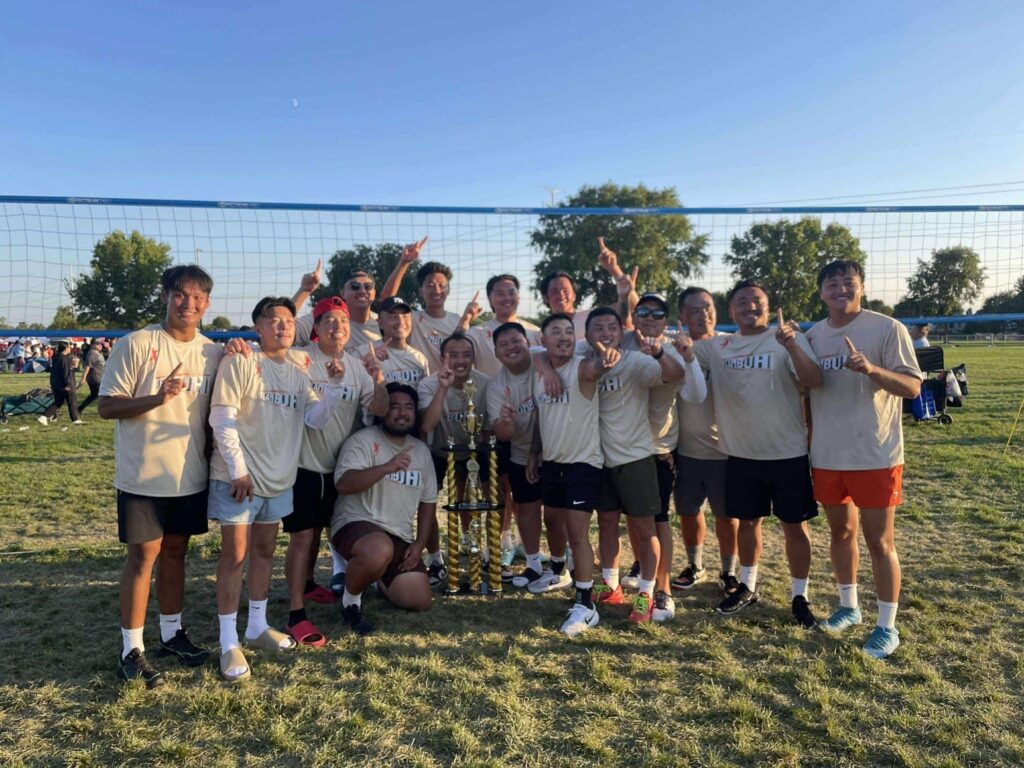
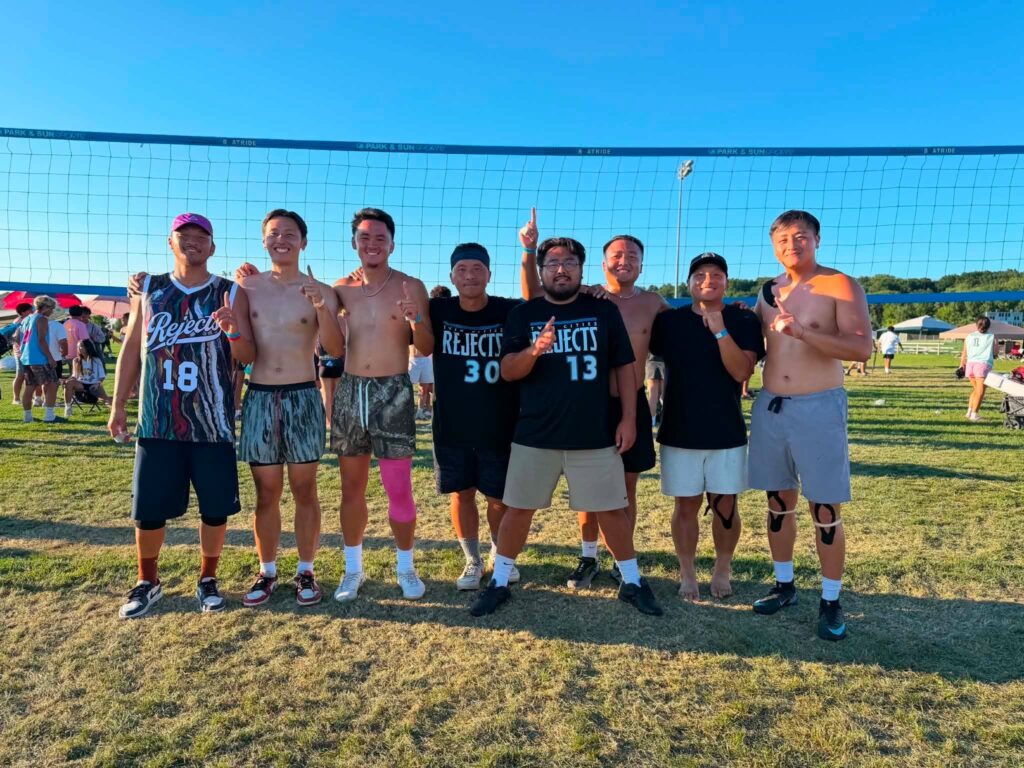
Eventually, Khue moved from California to Minnesota.
Volleyball followed.
He didn’t know many of the Minnesota players at first, especially because most of them were younger than him. But he says the volleyball community welcomed him with open arms.
Today he plays with Twin Cities Rejects.
“I’m the old guy hanging with the wrong generation but they know that,” he joked.
At 40, Khue is playing with some of the most athletic players he has ever been around.
And he’s reached the point in his career where something pretty funny has started happening.
He’s now playing against players whose dads he used to compete against.
That’s what more than 20 years in Hmong volleyball looks like.
The game itself has changed during that time.
Khue sees taller and more athletic players today. Six-foot Hmong players aren’t nearly as unusual as they once were. Players have better access to training, and higher-level athletes are finding their way into Hmong tournaments.
But Khue believes the older generation had something too.
Players had to learn how to use angles, cut around blocks and think their way through points because they couldn’t always hit over people.
He hopes that part of Hmong volleyball doesn’t disappear.
What Volleyball Gave Him
For all the talk about J4, PrimeTime and competing, Khue doesn’t say winning is the best thing volleyball gave him.
He says friendship.
He’s met people he probably never would have known without the game. Some became teammates. Some started as opponents. Many became lifelong friends.
Volleyball also became the place where Khue could shut everything else out.
“When I play I’m able to put my mind completely in it and forget about everything else that might be bothering me at the moment,” he said.
That’s one reason he’s still playing.
It’s still fun.
“The day I don’t find it fun anymore is the day I’ll quit.”
Apparently, he’s not there yet.
Still a Hmong Volleyball Nerd
Khue calls himself “probably the biggest Hmong volleyball nerd.”
It’s easy to believe him.
He’s played with and against athletes from multiple generations. He can talk about old Fresno teams, J4 battles, setters from other states and the young players coming up today.
And despite everything he’s accomplished, one of the things he’s most proud of is simply competing as a Hmong athlete.
Khue remembers the stereotype that Hmong or Asian teams couldn’t win without bringing in non-Asian players with more size or athleticism.
He doesn’t have anything against those players. He actually believes they’ve helped make Hmong volleyball better.
He just wants to compete against them.
And he wants Hmong kids watching to believe they can too.
“If you play with some Heart,” Khue said, “it’s possible to beat anyone.”
That’s also why his advice to younger players isn’t to go find the best possible roster.
It’s to stay together.
Lose together first.
Figure things out.
Then win together.
“You have to learn how to lose before you can win,” Khue said. “When you finally win, that feeling is greater than winning with some all star squad you put together.”
For young setters, his advice is even simpler.
Think.
Figure out what the other team is trying to do. Understand your hitters. Make the game easier for them.
Volleyball is going to be full of mistakes anyway.
Just make fewer than the other team.
How Khue Wants to Be Remembered
Khue has been around long enough to watch Hmong volleyball change.
He remembers packed courts, bigger crowds and teams that genuinely didn’t like each other.
He remembers J4 spectators surrounding the court and covering the hill. If you shanked a pass, there wasn’t anywhere to chase it because people were standing right there.
There was more trash talking.
Teams mostly stayed with their own groups.
Today, the Hmong volleyball community is much more connected. Players move around more. Social media means everyone knows everyone.
Some things have changed for the better.
Some of the old ways Khue hopes never completely disappear.
Because Hmong volleyball is its own thing.
It can be messy. The rules can be different from city to city. Teams referee other teams. People argue calls. Outsiders don’t always understand why things are done the way they are.
Khue understands the controversy.
He also loves what makes the game different.
After all, he’s spent more than half his life playing it.
From a freshman surrounded by players he considered legends, to PrimeTime’s setter, to Titan, to an older guy trying to keep up with the young players in Minnesota, Khue has seen a lot of Hmong volleyball.
But when asked what he hopes people remember about Khue Lee, he doesn’t mention J4.
He doesn’t mention PrimeTime.
He doesn’t even mention setting.
“I hope they remember that I played my heart out all the time,” Khue said. “That I gave it my all when I compete and the years that I played hopefully inspired younger players to love volleyball the way I did.”
For anyone who watched Khue compete over the years, that might be the most fitting way to tell his story.
He loved the game.
He hated losing.
And more than 20 years later, he’s still out there playing it.